
Meet Mike Sullivan: How He Thinks About Technology Strategy for Business
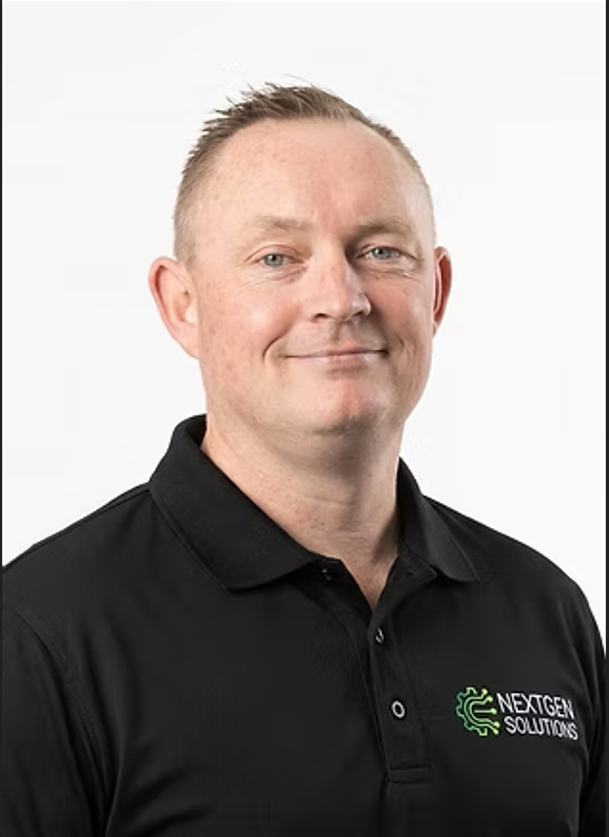
Most business owners do not want to think about technology. They want it to work, cost what they expected and support the way the business is heading. When that is not happening, the hard part is finding someone who will give you a straight answer instead of a sales pitch.
That is the gap Mike Sullivan works in. Mike is one of the two senior consultants who lead NextGen Solutions in Christchurch, alongside Brenton Jackson. If you are deciding who to trust with your technology strategy, it helps to know how the person thinks. Here is how Mike approaches it.
Start with the business, not the technology
Mike's starting point is rarely a product or a platform. It is a question about the business: what are you trying to achieve, and what is getting in the way?
Technology strategy only makes sense when it is tied to business outcomes. That might be getting a team working smoothly across sites, cutting the manual handling of repeat tasks, or making sure the business can keep operating when something goes wrong. The tools come after that conversation, not before it.
In practice, this means early conversations often involve fewer technical terms than people expect. Mike wants to understand how your business makes money, where people lose time, and which parts of your operation you can least afford to have interrupted.
[ASK: Mike's background and years in IT, if you would like it included here]
A simple way of working: plan, run and improve
NextGen Solutions describes its work as plan, run and improve, and it is a useful frame for how Mike thinks about strategy.
Plan
Planning is about making decisions with the full picture in front of you. That covers what you already have, what is nearing the end of its useful life, what the business needs over the next few years, and what is realistic for your budget and your team.
A good plan is not a thick document nobody reads. It is a clear set of priorities, in a sensible order, that an owner or leadership team can act on.
Run
A strategy that cannot be supported day to day is only an idea. Mike values the fact that NextGen Solutions both advises and runs technology for clients through managed IT services. It keeps the advice honest, because the people recommending a setup are often the same people who will have to support it.
Improve
Businesses change. Staff numbers shift, new software arrives, premises move. Mike treats strategy as something you revisit regularly, not something you finish once. Small, steady improvements usually serve a business better than a large overhaul every few years.
What Mike values in client relationships
Ask Mike what makes a good client relationship and the answers are consistent: honesty, directness and continuity.
Straight answers
Clients are busy. They need to know what the options are, what Mike would recommend, and why. Sometimes the answer is "you do not need that yet" or "that will cost more than it is worth for your business". Giving that kind of answer is part of the job.
Direct access to senior people
At NextGen Solutions there are no account manager layers. When you talk to the business, you are dealing with the people who do the work. That matters for strategy in particular, because good advice depends on context. Passing a question through several people before it reaches someone who understands it rarely improves the answer.
Long-term thinking
Mike prefers relationships where he understands your business well over time. That is how advice gets sharper. He learns what you tolerate, what you do not, and what has been tried before, and recommendations become more practical as a result.
The advice Mike gives most often
Every consultant has a handful of points they keep coming back to. These are the ones that come up most in conversations with New Zealand businesses, and they are Mike's view rather than a rule that suits every situation.
1. Know what you actually have
Many businesses are unsure exactly which systems, subscriptions and devices they depend on. Before any big decision, write it down: what you use, who looks after it, what it costs and what would happen if it stopped. It is a dull exercise, but it shows up gaps and duplication quickly.
2. Decide what matters most before you buy anything
If everything is a priority, nothing is. Pick the two or three business outcomes you care about most this year and judge every technology idea against them. If a project does not move one of those, it can probably wait.
3. Keep it as simple as the business allows
Complexity has a cost. More systems mean more things to maintain, more places for information to get stuck and more people who need to know how it all fits together. Mike tends to favour the simpler option that does the job reliably over the clever one that needs constant attention.
4. Plan for the person who is not in the room
Your technology should not depend on one person's memory or one person's availability. Documented setups, shared access arrangements and clear support arrangements keep the business running when someone is away or moves on.
5. Do not wait for something to break
Fixing things in a crisis is almost always more stressful and more expensive than planning a replacement. A regular review, even once or twice a year, lets you schedule changes at a time that suits you.
Who Mike works well with
Mike tends to be most useful to owners, CEOs and operations leaders who rely on technology but do not want to manage it themselves. If you want someone to take the technical side seriously, explain it plainly and stay involved as your business changes, that is the work he enjoys.
Many of the businesses NextGen Solutions works with are in Christchurch and across Canterbury. Being local means understanding the realities of running a business here, and being able to meet in person when it helps.
General information only. Every business is different, so contact us to discuss your situation.
Frequently asked questions
What does technology strategy actually mean for a small or mid-sized business?
It means having a clear plan for how your technology supports your business goals. That covers what you use now, what you need to change, in what order, and what it is likely to involve. It does not need to be complicated, but it does need to be written down and reviewed.
When should a business talk to an IT consultant?
Common triggers include planning growth, moving premises, replacing ageing systems, or feeling that you are paying for technology that is not delivering. It is easier to get good advice before a major decision than after it. An early conversation will often tell you whether you need to act now or can wait.
Will I deal with Mike directly if I work with NextGen Solutions?
Yes. NextGen Solutions is led by senior consultants Mike Sullivan and Brenton Jackson, and you deal with the people who do the work. There are no account manager layers between you and the advice.
If you would like a practical conversation about where your technology is today and where your business needs it to go, get in touch with Mike and the team at NextGen Solutions in Christchurch. We will give you clear advice and straight answers.